
Why Are Enamel Pins So Expensive?
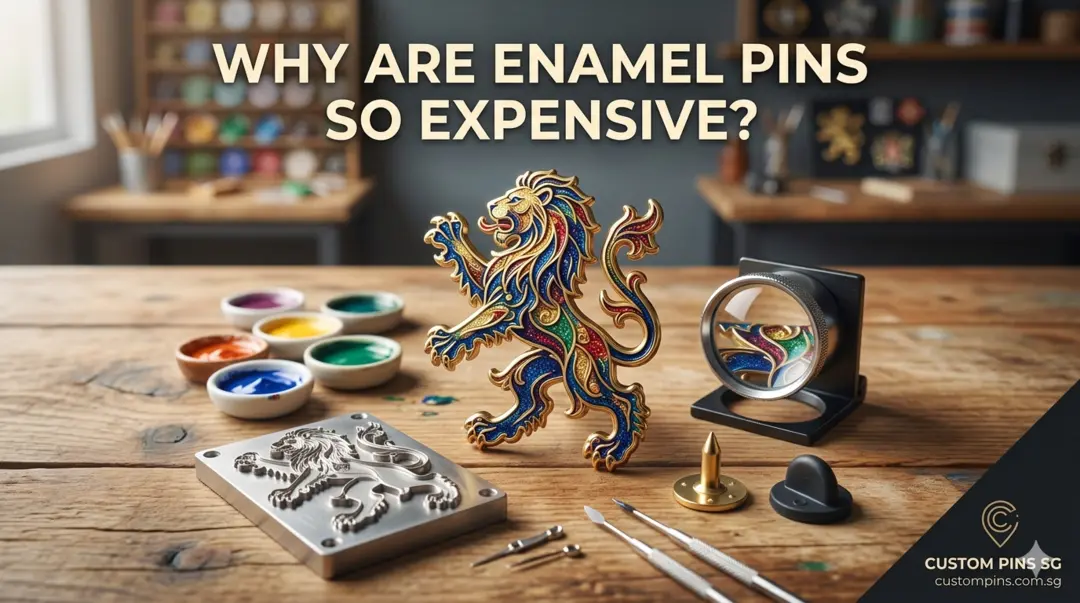
Enamel pins are colorful and fun items to wear; however, as small as they may seem, the price can give you pause about their value. Enamel pins are more than just decorative pins because they involve many aspects of production, and it is these different aspects combined that make up the pin’s price.
Rather than rushing to decide the value of the pin because of its size, you will have a more accurate estimate of the value of the pin by knowing what went into its creation.
What Makes Enamel Pins Such High-End Accessories?
1. Design and Art Development
Enamel pins start with an idea and then become a physical product through time, talent, and creativity. Many artwork items undergo numerous hours of creative refinement prior to becoming a production-ready design (e.g., selecting colors, ensuring the artwork is appropriately sized for the metal, and establishing finality via an extensive iterative process before proceeding with physical production). The price of the pin will generally reflect the level of design that went into creating the pin when determining if the pin was custom-made or if numerous design elements were included in the creation of the pin.
2. Mould Creation (Biggest Cost)
When you make enamel pins, one of the highest costs to consider is moulding for each design. Each pin requires a custom-made metal mould, which is then used to stamp the pin’s shape. This is a one-time expense, but it can be very expensive depending on the design you have created. The cost will be split across all units ordered to reduce the per-pin cost.
However, when you are producing a smaller batch, the initial cost of the mould increases the cost of the individual pin.
3. Type of Enamel Matters
Enamel pins can vary greatly depending on the type and quality of the enamel. The two most common types used are soft enamel pins and hard enamel pins. Each has specific differences in how its pins appear and in the cost of purchasing those pins. Soft enamel pins have a raised or bumpy finish and are typically less expensive than other enamel pin styles.
On the other hand, hard enamel pins undergo an additional polishing process, giving each pin a smooth, very professional appearance. As such, hard enamel pins will typically cost more.
4. Low quantity = Higher Price
The scale at which you produce will determine your pricing. Ordering pins in bulk will reduce the cost per pin from what you would have paid if you ordered them individually. Small businesses and independent makers often order far fewer than the show minimum (50 or 100) because they can’t afford the upfront costs of making pins.
While you will have the same number of fixed expenses regardless of quantity produced, producing less than the minimum will increase your per pin production costs in comparison to ordering the minimum number of pins.
5. Extra Details Add Cost
Enamel pins with special features are unique; however, these features can also increase the cost of the pin. Some examples of these types of add-ons include glitter enamel, gold or silver plating, glow-in-the-dark paint, or epoxy coatings.
All of these types of add-ons require additional materials and manufacturing processes. While each element adds visual value to the pin and improves its overall aesthetics, it will also increase the total price.
6. Packaging & Branding
The way pins are presented is just as important as the product itself. Many companies also spend on custom backer cards, branded packaging, and the overall presentation design to create a unique unboxing experience. The cost of these items may seem insignificant, but they all contribute to the overall production cost, which will be reflected in the retail price.
7. Shipping & Import Costs
International production is very common for custom pins in Singapore. Businesses must consider the costs of shipping, customs duties, and, in some cases, currency exchange when ordering these items from abroad. Smaller orders have a higher percentage of total costs per enamel pin because shipping is typically calculated as a single total for multiple enamel pins (per order) rather than per individual pin.
8. Profit Margin (Yes, Obviously!)
For businesses to continue, they need to generate profit after paying all costs associated with item creation (manufacturing) and shipping (sending the item from the seller to the buyer), plus an additional profit percentage (margin) for long-term sustainability. Most small creators charge only a very small percentage on items to meet demand and remain reasonable while still making money. Therefore, when buying an enamel pin, you are also supporting the creator of that item.
What Is The Best Way to Make Premium Quality Enamel Pins?
Making premium-quality enamel pins is not just about good design; it’s about ensuring every stage of the process is completed correctly from start to finish. Numerous factors can differentiate a regular pin from a premium pin, such as the details included, the material chosen, and the production process used at each stage.
How Do You Design a Great, Pin-Safe Design?
Every high-quality pin starts with a solid, pin-friendly design. A great design will not always translate well into a finished product. When designing your image, your graphics should be simple enough that they can be produced and also have defined lines and colors that give them a distinct look. Many manufacturers will ask for the artwork you provide to be in a vector format, like .AI, .EPS, or .SVG so they can have a precise, clean cut when they create the actual pins from them.
Your goal is to create designs that show what they’re about rather than just make them complicated. When the finished product is made from metal, some design details will likely be lost in the finishing process, but the overall shape and colour(s) of the original graphic will remain. In addition, when creating an organic or artistic piece of jewellery, you must think about how it will actually function as a completed piece of jewellery.
Choosing the Right Way to Manufacture Quality Enamel Pins
Using industrial manufacturing processes such as die striking or pressing with an enamel fill will produce high-quality enamel pins.
The steps involved in this process include:
- Creating a custom mould from your artwork
- Die stamping your artwork into the base metal
- Filling the recessed areas with enamel
- Baking, polishing, and finishing the pin
The process for creating enamel pin products may be the same from factory to factory; however, the level of quality may differ depending on how well each factory follows those steps. Two examples of this include: enamel pins with clean edges and without jagged edges, and pins with the correct colour fill, and pins with slightly inaccurate colour fills.

I serve as the lead content creator for CustomPins.com.sg, where I write about the creativity and craftsmanship behind custom enamel pins and promotional accessories in Singapore. My articles explore design techniques, material quality, color matching, plating options, and packaging presentation. I also provide strategic insights into how custom pins can enhance brand storytelling, corporate gifting, and event merchandising. Through my content, I aim to help businesses, startups, and organizations transform small accessories into powerful marketing tools that leave a lasting impression.