
How Custom Pins Are Made: From Design to Finished Product
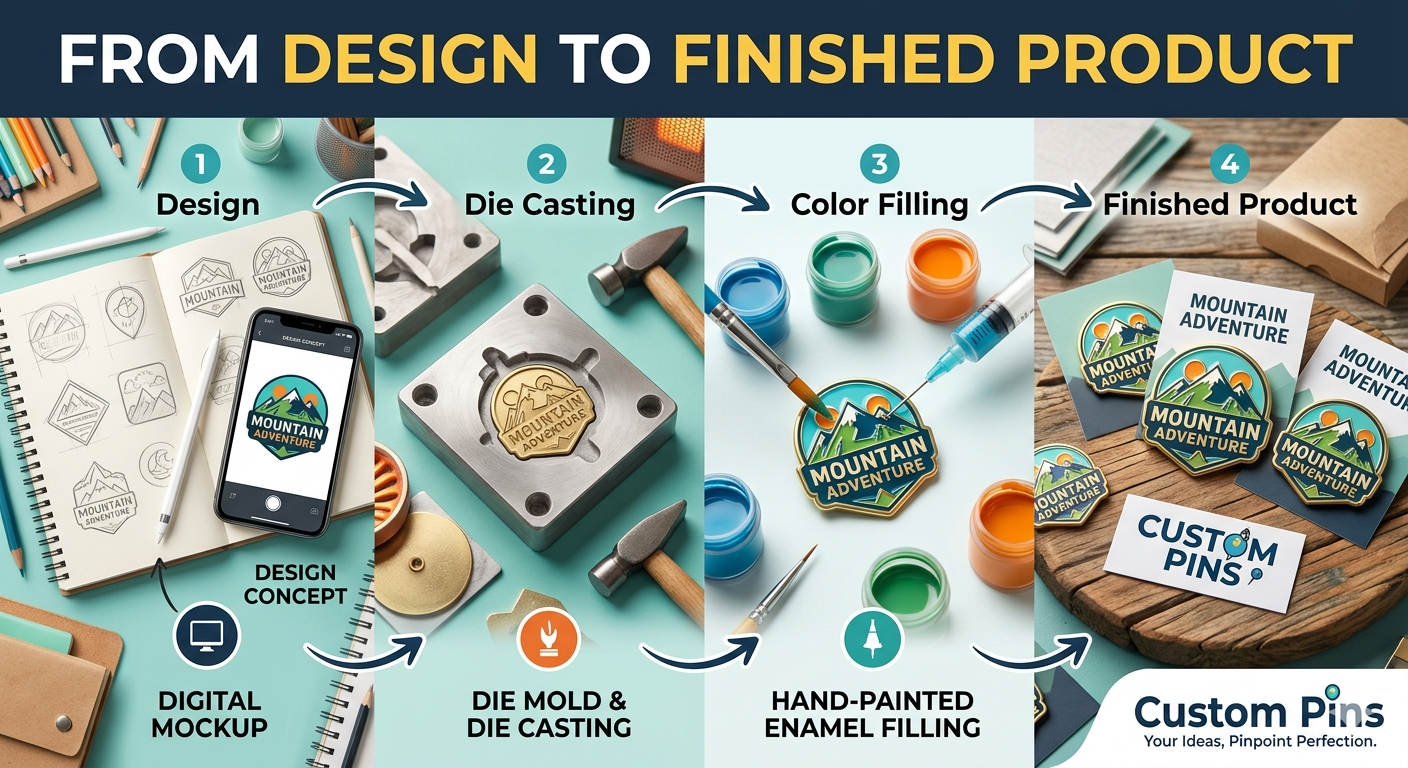
What looks like a small customised pin often represents a much bigger story. It’s perfect for branding, events, and even expressing personal ideas. Businesses use them to promote their brand, while individuals use them to express their personality or interests. All in all, it’s a game-changing accessory.
Creating them might feel like a simple task, but it’s anything but easy. Behind every custom pin is a thoughtful balance of design, creativity, and finesse. Every step is a game-changer and brings you closer to the exciting results. From the concept to stamping and final polishing, every step matters.
In this blog, we’ll reveal how custom pins are made. Here’s the complete art behind it so you can get something that goes with your purpose.
What Are the Basics Behind Custom Pins?
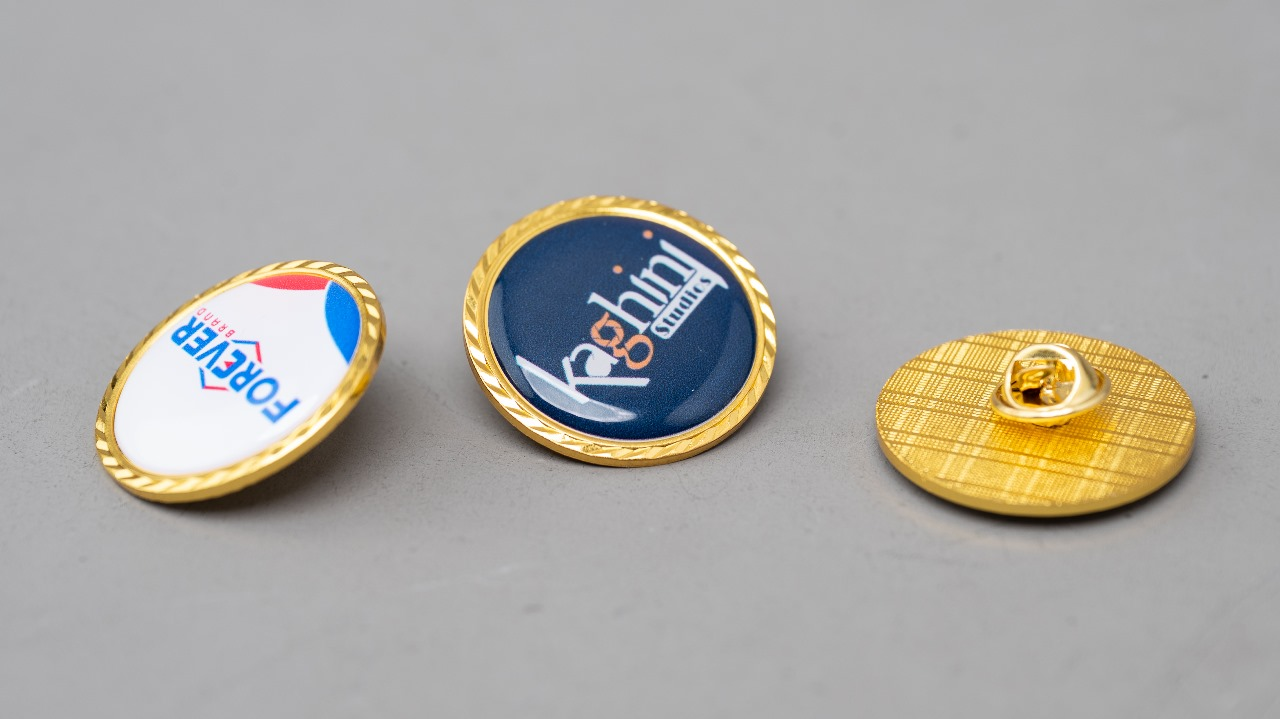
Before getting into the actual process, you must be aware of some basics. In this blog, we’ll reveal how custom pins are made. They are mostly used for branding, events, clubs, merchandise, sports teams, and personal collections.
The best part of these pins is that they are fully customisable. This means you can go for any shape, size, colour, and finish. In the end, you will receive a creatively designed product that represents your brand or ideas.
Once you understand these basics, you will know how custom pins are made and what decisions you need to make during the production process.
Materials Used in Custom Pins
| Material | Common Use | Benefit |
| Brass | High-quality enamel pins | Durable and premium finish |
| Iron | Standard pin production | Cost-effective option |
| Zinc Alloy | Unique shapes or cut-outs | Accepts complex designs |
The Step-by-Step Process of Creating Custom Pins
Step 1: Designing the Pin
This process is all about the concept and turning it into reality. You can choose a company logo, a symbol, or an illustration of your idea. Share the ideas you have with the designer, and they will bring them to life.
They will also let you choose the customisation options. But don’t worry about perfection; they will handle that. Designers guide you on whether your design, finish, and backing preferences go together.
The design is then turned into a production-ready format, which is usually a vector file. This is because clear outlines and colour separation ensure a high-quality final design.
Step 2: Creating the Mould
Once you finalise the design, you can engrave it into a metal mould. The mould is basically a template or a stamp that is shaped according to the design. When you use the mould during production, ensure the design is reproduced accurately.
You must focus on precision. Every detail must be carved into the mould. Whether it’s the lines or texture, it has to turn out fine. The better the mould, the more detailed the final pin will be.
Step 3: Stamping the Metal
Next, metal sheets are placed into the stamping machine. The mould basically presses into the sheet to create a unique design. High pressure shapes the metal into the form of a pin.
Once stamping is complete, the pins are carefully trimmed. Any extra metal is removed, and final shaping is done to ensure clean edges and overall uniformity.
Step 4: Adding Colour and Details
When you choose enamel pins, you have to pick the colours. You can share your preferences, and the recessed areas will be painted accordingly. Each colour is applied separately to ensure vibrancy.
Later, the pins are baked or cured so the enamel hardens on the surface. This step also locks the colours into place.
Depending on the enamel you choose, the surface may be textured, polished, or smooth.
Step 5: Polishing and Plating
After the colouring process, the pins are polished. This step is done to smooth the surface and highlight the metal lines.
Later, the pins are plated with your desired finishes. You can choose from gold, silver, nickel, or black nickel, as these are the most popular options.
Bonus Tip: Always choose plating options, as they improve appearance and protect the metal from corrosion.
Step 6: Attaching the Pin Back
By now, the pin is nearly complete. The final step is attaching the backing. You can choose from a variety of backings, including butterfly clutches, rubber clutches, and magnetic backs. The idea is to pick the ones that are comfortable and secure.
This step is super important because it helps make your pin ready to be worn.
Step 7: Quality Check and Packaging
You might think the pins are ready to ship at this stage, but one final step remains. The pins undergo a thorough quality inspection. Manufacturers will check if the lapel pins are made correctly. Any inconsistencies, scratches, or shape errors are a problem. Any defective pins are discarded right away.
Once approved, they are packaged carefully and delivered to your desired location.
Frequently Asked Questions
- What materials are used to make custom pins?
Custom pins are made from metals. Generally, the metals used are brass, iron, or zinc alloy. These materials are great due to their durability and detailed designs.
- How long does it take to produce custom pins?
Typically, it takes 2 to 4 weeks to create high-quality customised pins. However, depending on the design complexity, quantity, and urgency of the order, the turnaround time differs.
- Can I submit my own design for custom pins?
Of course! If you’re choosing customised pins, you will get the freedom to choose your own design. You have to ensure that the artwork is high-definition and in the desired format. - What finishing options are available for custom pins?
There are many plating options like gold, silver, nickel, black nickel, and some antique finishes. These options are available depending on the company you choose.
- What types of backing are available for custom pins?
You can try out multiple backing options, including butterfly clutches, rubber clutches, magnetic backs, and safety pin backs. You can choose the ones that go with your purpose.
Final Words
There’s no doubt that creating customised pins is a fascinating process. It depends entirely on creativity and skilled craftsmanship. From the moment you share the design to the final product inspection, every step is important. Each step brings you even closer to the product you want.
Once you get the inside look of the production, you realise how much effort goes into these small accessories.

I serve as the lead content creator for CustomPins.com.sg, where I write about the creativity and craftsmanship behind custom enamel pins and promotional accessories in Singapore. My articles explore design techniques, material quality, color matching, plating options, and packaging presentation. I also provide strategic insights into how custom pins can enhance brand storytelling, corporate gifting, and event merchandising. Through my content, I aim to help businesses, startups, and organizations transform small accessories into powerful marketing tools that leave a lasting impression.